Might have needed a few real horses to to do just that! At which point the main sponsor said “D’accord, nous avons terminé. Débrancher.”
"Okay, we are finished. Unplug." 
Actually, those large-drivered locomotives frequently had a “station pilot”, a smaller and low-drivered locomotive to help get the train moving. The station pilot would then slip off into a convenient siding once the train was moving well.
Regards, David Meashey
Didn’t know that, Dave. Since that’s the case, this montrosity makes a bit more sense now.

Little drivers for slow speeds, big ones for high.
Cliff;
Just a couple of other tidbits about draft animals being used by railways. Some of the smaller terminals in England continued to use “shunt horses” (draft horses that could “shunt” [switch] goods wagons locally) into the 1950s.
I once read an article in National Geographic about a small refinery in India that had to send their diesel switcher away for regular maintenance. To keep the rail cars moving about their plant, they hired some elephant drivers to switch the cars with elephants (an elephant could easily pull or shove 3 or 4 cars). When the diesel switcher returned, the refinery kept the elephants. Why? Because the elephants could not only handle the same load as the diesel, they could also reach down and throw the switch stands with their trunks!
Best, David Meashey
2 Likes
Bill look up the Great Westerns Hurricane of 1838. That is one of the most bizarre locomotives I’ve ever seen 
Couldn’t help looking it up, Vic. Yup, bizarre.
Looks like one builder used the wrong side of the tape measure, Vic. Thanks for the follow up Cliff.
Folks;
Perhaps not “strange” enough, but the streamlining on O. V. S. Bulleid’s (Chief Mechanical Engineer for England’s Southern Railway) Battle of Britain class express locomotives was so boxy, that the British train enthusiasts nicknamed it the “Spam Can”.

Regards, David Meashey
1 Like
The C&O M1 was a steam-turbine that (from what I’ve seen) didn’t see service. The narrator says it was bigger and heavier than the Big Boy!
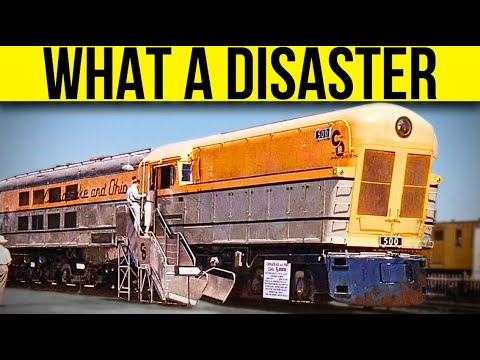
Quite interesting Cliff.
The streamlining did not help it’s look, either.

This image features the “Argentina”, a unique, highly streamlined steam locomotive designed in 1949 by Argentine engineer Livio Dante Porta.
- Engineering: Reportedly, originally a reconstruction of an older metric gauge locomotive, it was redesigned to be one of the most thermally efficient steam locomotives of its time.
- Unique Design: The locomotive featured a distinct, fully streamlined body to minimise aerodynamic drag, along with four double-expansion cylinders.
There is an English version you can tap on site.
Bill;
I see a hint of Raymond Lowey’s streamlined PRR K-4 in that design. The MTH O gauge version shown below.

Best, David Meashey
1 Like
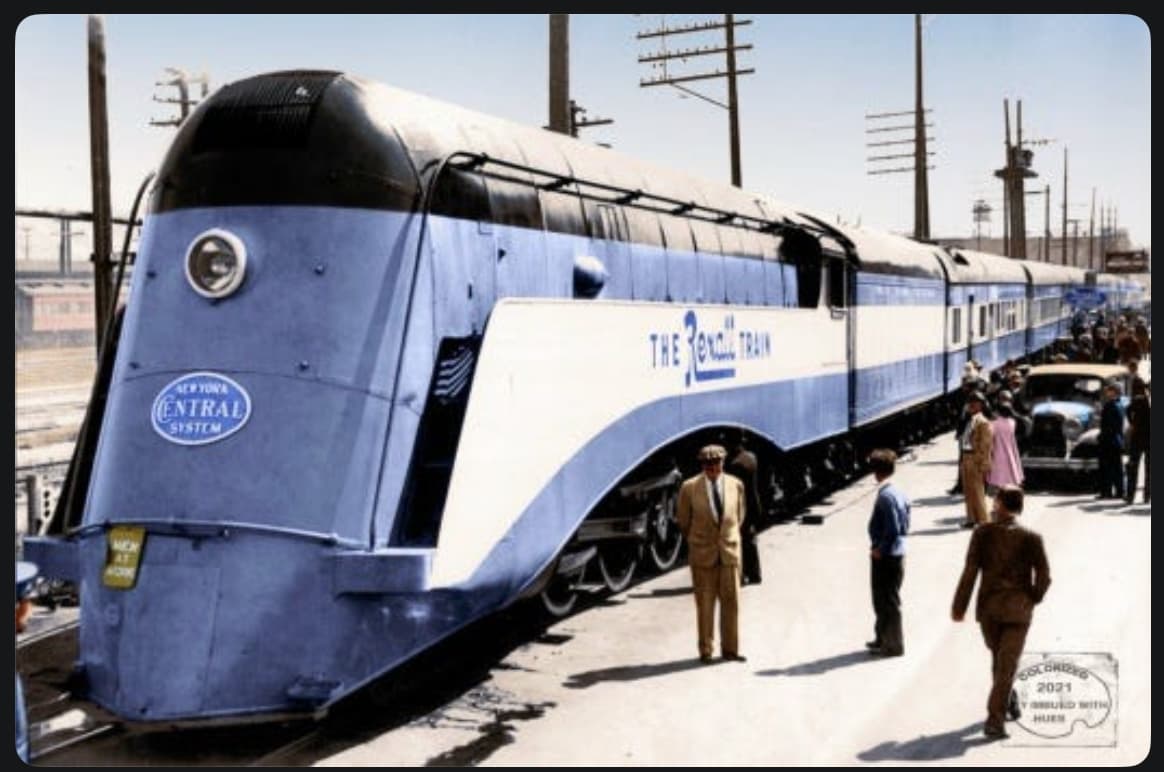
Today I learnt that even locomotives were not immune to advertisements. This loco advertised a chain of chemist shops called Rexall.
1 Like
Bill;
The Reading RR had a close cousin to that named the Reading Crusader, but it was a passenger express instead of an advertising train. My HO version shown below on a friend’s lyout.

Best, David Meashey



Cliff;
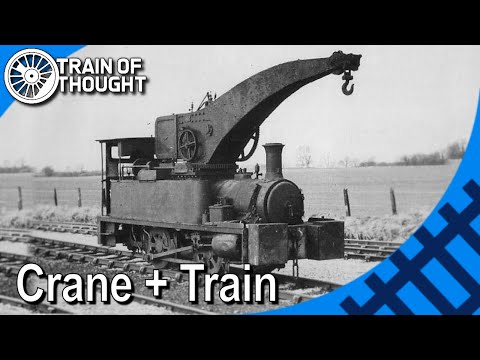
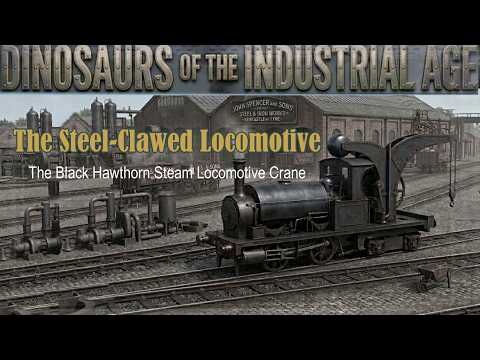
In this year’s MIK, Jim Cunningham’s Mad Max themed Diesel locomotive sported a crane with a wrecking ball. (Perhaps for enlarging tunnels?)
Best, David Meashey
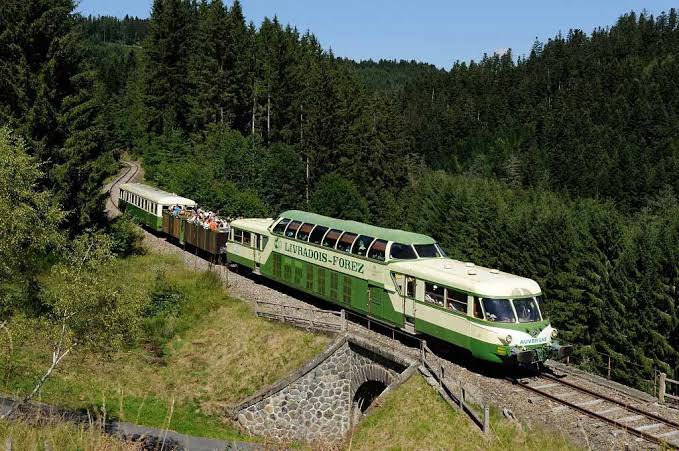
The panoramic railcars used on the Livradois-Forez railway are classic French SNCF X 4200 “Panoramique” autorails, built in the late 1950s for scenic mountain routes.
Their most distinctive feature is the elevated glass-roof observation compartment, giving passengers sweeping views over forests, valleys, and viaducts much like a dome car.


2 Likes
