Ross Rowlands idea of future steam when he was working with the Freedom Train in 1976 Cliff 
I think one of the C&O Greenbriar 4-8-4s was going to be a test bed for some of the ideas, but the whole effort was incomplete.
Regards, David Meashey
The article I read on it was written by an engineer on the team, who talked about all the different new things to consider (at first, for example, turbines were assumed to be the most effective way to go). In the end, they found they found that the direct-acting reciprocal cylinder was the most efficient. He mentioned that the project didn’t fail due to design inadequacy, but to falling oil prices. Go figure.
When I was off the coast of Vietnam, so many years ago, There was a ship called the USS Shasta. Their slogan was the same as the Shasta brand in the sixties; “It has to be Shasta”. So much memories.

2 Likes
Though not a loco, this streetcar deserves honorable mention in the “strange” category.

This is a recent acquisition by the National Capital Trolley Museum, I’ll have to get down and check it out.
Wait! That’s Jon’s old mobile home he traded in!

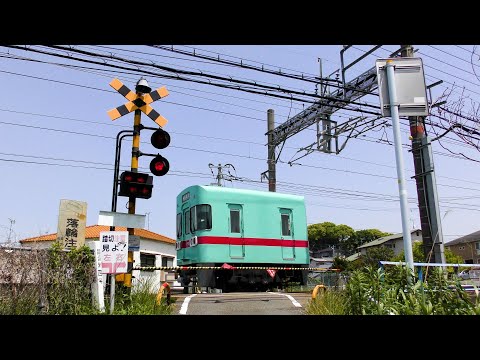
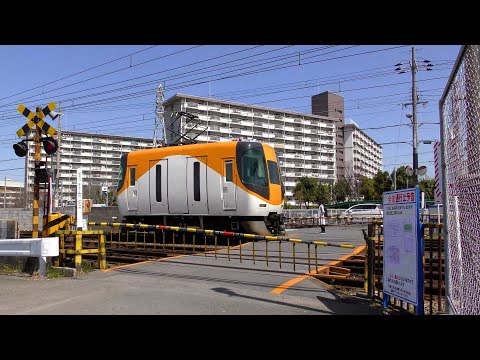
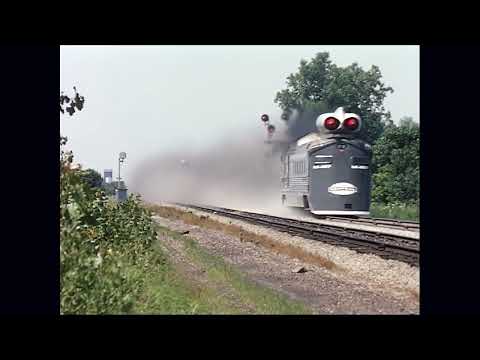
Just saw this one on Facebook…

Workers had converted a former 2-6-0 into a chain-driven, diesel-powered switcher utilizing a Ford V-8 engine.
3 Likes
Refer to post #18 above 

Poor short term memory 
1 Like


A 75 t trolley wire locomotive specially developed for Solvay Chemicals GmbH is suitable for use on gauges of 900 mm and in low, narrow tunnels.

Gee, this thing looks like it was built by a committee!
The image shows an Aveling & Porter compound locomotive, a type of steam engine built in 1895. It is essentially a road traction engine fitted with flanged wheels for rail use.
Key features include:
- Compound Design: It uses both high and low-pressure cylinders for efficiency.
- Geared Drive: A large central gear drives both axles.
- Water Tank: Water is stored in a rear-mounted tank.
- Usage: Originally used for shunting.
Bill;
Since steam traction engines were notoriously slow, it stands to reason that the locomotive shown would only be used for shunting (switching). The class 1 railroads even had a brief flirtation with four-truck Shays for switchers.
Best, David Meashey
Very bizarre! I can see the engine on top, transferring its output via chains behind the covers I suppose, to both axles.
The link bar between drivers seems a bit cosmetic (being connected at the center), so at first I suspected it was a movie prop of some sort. Especially since the drivers look like they came from the Ben Hur chariot race!
Dave we’re the shays being used by the class 1 during or after their logging use?
Deja vu Cliff! But my first thought was of this scene👇Ramming speed… BOOM BOOM BOOM


Bill;
The Shays were bought new by the class 1 railroads in an attempt to find more powerful switchers. They did not work out as hoped (possibly they could not accelerate as fast as small-drivered rod engines). Some of them may have gone lumber companies and quarries after their brief service on the class 1s.
Regards, David Meashey
It’s my understanding from some research I was doing on other things that the Shay’s were enclosed in NY to prevent scaring the horses on the streets. Part of the horse mounted flagman’s job was to alert the on coming horses as well if that makes sense? However I’m listening to Barbara Streisand with the Gibb boys currently so what do I know.

Shocked and surprised here.
I was getting more of the vibe of Katy Perry’s Roar and Survivor’s Eye of the Tiger from reading your posts. 